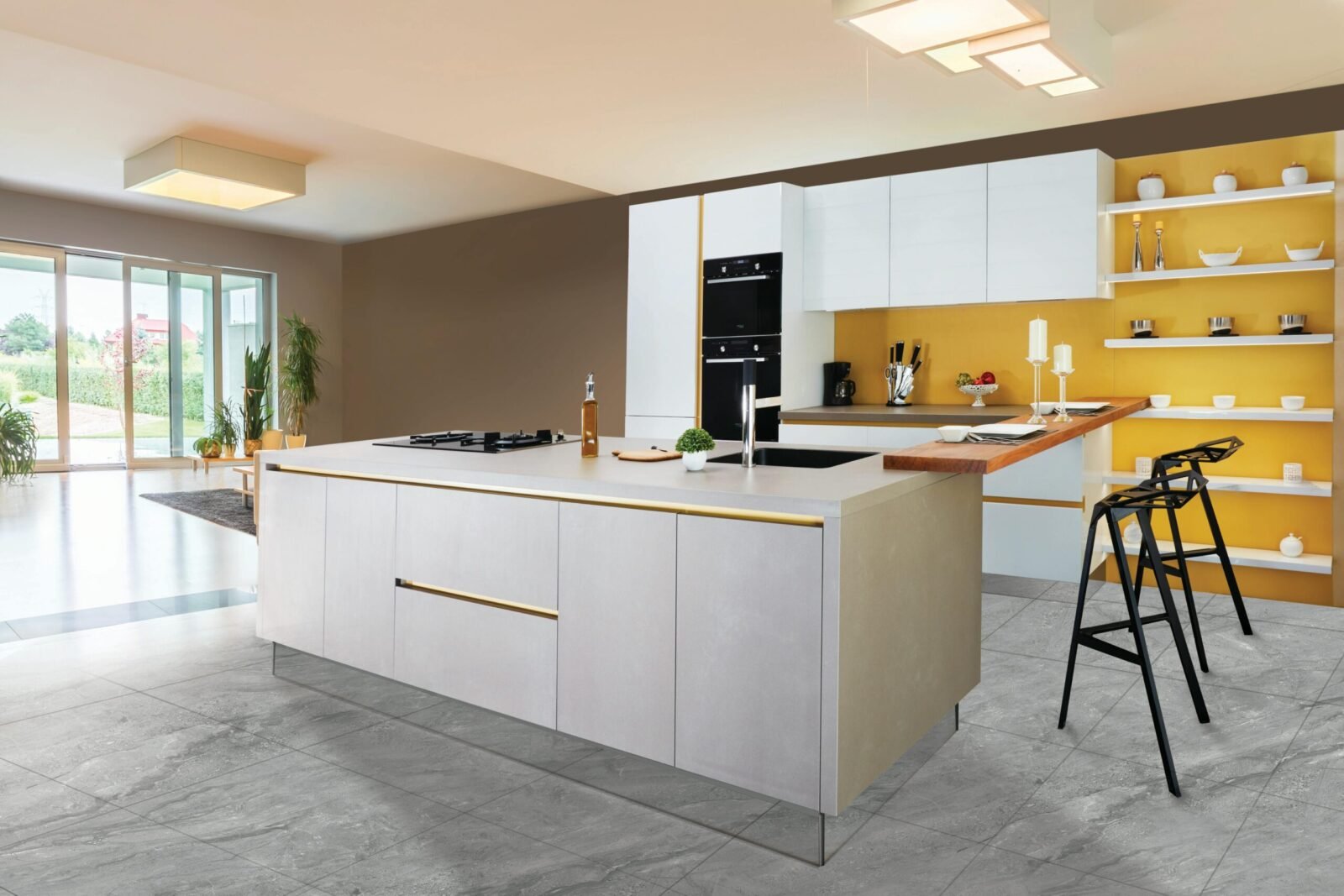
In 2026, Indian homeowners face a key decision when renovating or building: choosing between a modular kitchen and a traditional carpenter-made (site-made) kitchen. With urban apartments shrinking and lifestyles evolving toward efficiency, smart storage, and premium finishes, modular kitchens have surged in popularity across cities like Mumbai, Bangalore, Pune, and beyond.
But is the factory-assembled modular option truly superior, or does the hands-on craftsmanship of a local carpenter still hold value? This detailed comparison explores pros, cons, costs, durability, installation, trends, and real-world factors to help you decide what’s best for your home in 2026.
What Is a Modular Kitchen?
A modular kitchen consists of pre-fabricated cabinets, drawers, shelves, and units manufactured in a controlled factory environment. These modules are then transported and assembled on-site by professionals. Materials often include marine-grade plywood (BWP), HDF, acrylic finishes, laminate, or high-gloss surfaces, paired with branded hardware like soft-close hinges and tandem drawers.
What Is a Carpenter-Made Kitchen?
A carpenter-made kitchen is built entirely on-site by local artisans using plywood, particle board, or solid wood. The carpenter measures, cuts, assembles, and finishes everything manually, allowing for on-the-spot adjustments and fully bespoke elements.
Key Comparison: Modular vs Carpenter-Made Kitchens in 2026
1. Finish Quality and Aesthetics
Modular kitchens deliver consistent, machine-precision finishes—smooth edges, seamless joints, uniform polish, and bubble-free surfaces thanks to factory processes like edge banding and vacuum pressing. In 2026, trends favor matte finishes, handle-less designs, and tactile surfaces that look premium and modern.
Carpenter-made kitchens rely on the artisan’s skill level. While a talented carpenter can achieve a good look, uneven edges, visible joints, or inconsistent polish are common complaints, especially in humid Indian climates where swelling or warping can occur faster.
Winner in 2026: Modular kitchens for a sleek, contemporary appearance.
2. Durability and Longevity
Modular kitchens often use moisture-resistant materials, anti-termite treatments, and advanced hardware, with many brands offering 5–10+ year warranties. Factory-controlled quality reduces issues like delamination or sagging over time.
Carpenter-made kitchens vary widely—solid wood can last decades with care, but cheaper plywood or poor joinery may need repairs within 3–5 years, particularly in India’s monsoon-prone regions.
Winner in 2026: Modular kitchens for consistent, long-term performance (especially with BWP plywood and branded fittings).
3. Cost Breakdown (Approximate 2026 Prices in India)
- Modular Kitchen: ₹1,200–₹2,500 per sq ft (or ₹1.5–6 lakh for a typical 8–12 ft kitchen), depending on materials (laminate vs acrylic vs PU) and accessories.
- Carpenter-Made Kitchen: ₹900–₹2,000 per sq ft (often ₹1–3.5 lakh total), cheaper upfront due to no factory overheads.
Modular options appear costlier initially but prove more economical long-term with lower maintenance, fewer repairs, and better resale value. Carpenter kitchens may incur recurring fixes for hardware, finishes, or structural issues.
Winner in 2026: Carpenter-made for strict budgets; modular for overall value and ROI.
4. Installation Time and Convenience
Modular kitchens install quickly—typically 3–7 days after manufacturing—minimizing disruption and dust in your home.
Carpenter-made kitchens can take 4–8 weeks (or longer), involving on-site cutting, sanding, painting, and multiple visits, which often leads to mess and delays.
Winner in 2026: Modular kitchens for speed and cleanliness.
5. Customization and Flexibility
Carpenters excel at hyper-local adjustments and unique shapes, making them ideal for irregular layouts or last-minute changes.
Modular kitchens offer extensive customization through 3D design software, vast material/finish options, and ergonomic accessories (pull-outs, corner units, organizers). In 2026, brands provide smart integrations like sensor lighting or app-controlled features, though extreme odd shapes may require hybrid solutions.
Winner in 2026: Tie—modular for modern, ergonomic features; carpenter for truly unique or constrained spaces.
6. Storage Efficiency and Smart Features
Modular kitchens shine with optimized layouts (L-shaped, U-shaped, parallel), tall units, pull-out mechanisms, and space-saving innovations tailored to Indian cooking (spice racks, grain storage, appliance garages).
Carpenter kitchens can incorporate storage but often lack precision engineering, resulting in wasted space or awkward access.
Winner in 2026: Modular kitchens, aligning perfectly with 2026 trends like smart storage, invisible tech, and multi-functional islands.
7. After-Sales Service and Warranty
Reputable modular brands provide warranties, maintenance support, and easy part replacements.
Carpenter service depends on the individual—many offer informal fixes, but there’s no standardized guarantee.
Winner in 2026: Modular kitchens for peace of mind.
2026 Trends Favoring Modular Kitchens
Indian kitchen design in 2026 emphasizes:
- Minimalism with matte/handle-less cabinets
- Eco-friendly and sustainable materials
- Smart integrations (motion sensors, under-cabinet lighting)
- Open layouts with breakfast counters
- Biophilic elements and tactile “slow luxury” finishes
Modular systems adapt seamlessly to these trends, offering factory precision for clean lines and integrated tech—challenges for on-site construction.
When to Choose a Carpenter-Made Kitchen
- Extremely tight budget
- Highly irregular space needing on-the-fly tweaks
- Preference for solid wood or artisanal warmth
- Desire for complete one-of-a-kind elements
When to Choose a Modular Kitchen
- Seeking premium finish and consistency
- Prioritizing durability and low maintenance
- Wanting quick installation with minimal hassle
- Planning for long-term value and modern features
Final Verdict: Which Is Better in 2026?
For most Indian homeowners in 2026—especially in urban apartments and growing families—modular kitchens emerge as the superior choice. They deliver better aesthetics, durability, efficiency, and alignment with current trends, often providing greater long-term value despite higher upfront costs.
That said, a skilled carpenter can still deliver an excellent kitchen, particularly on a budget or for very custom needs. Many families now opt for a hybrid approach: modular cabinets with carpenter-added elements for the best of both worlds.
Ultimately, assess your priorities—budget, timeline, space, and lifestyle—then consult trusted designers or brands. In today’s fast-paced Indian homes, a well-planned modular kitchen often proves the smarter, future-ready investment.