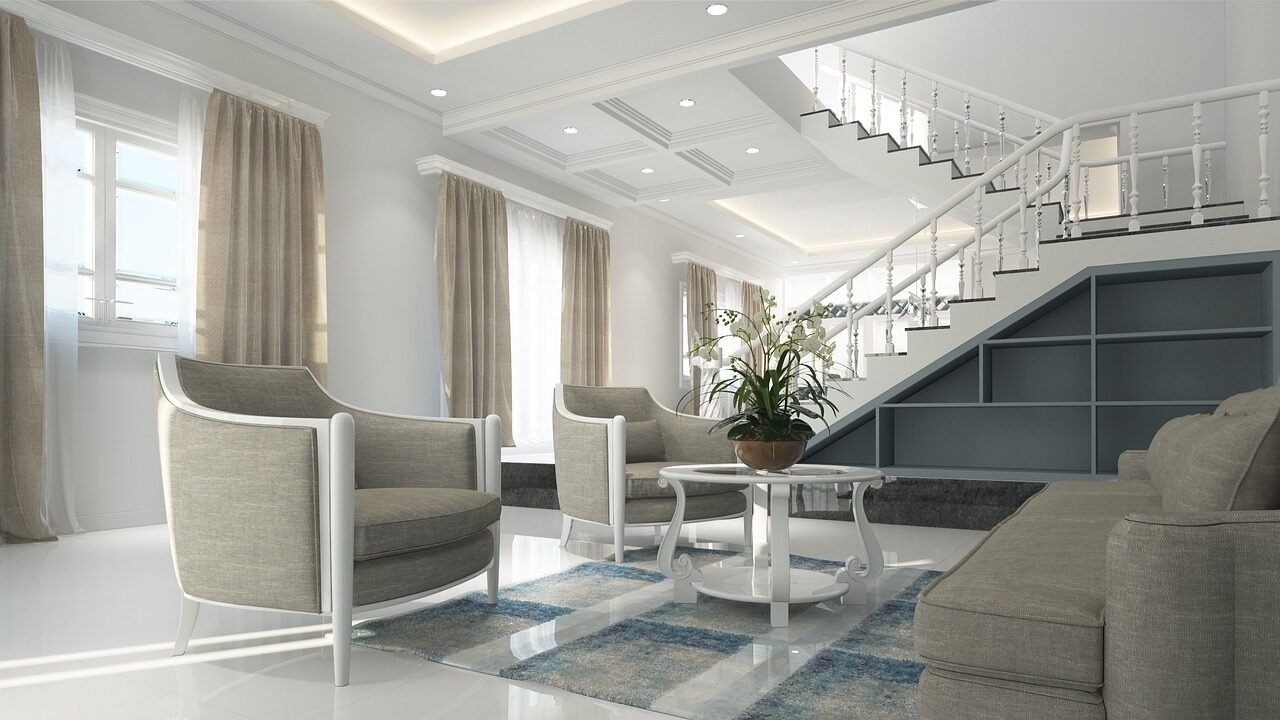
In 2026, American homeowners are embracing living rooms that feel warm, personal, and lived-in rather than overly polished or trend-chasing. With rising costs and a shift toward sustainability, budget-friendly ideas focus on high-impact, low-cost changes that align with current trends like layered textures, richer neutrals, comfort-driven furniture, and collected vibes. Whether you live in a cozy apartment in Chicago, a suburban home in Texas, or a compact space in California, these practical tips help create an inviting living room without breaking the bank. From thrift finds to DIY updates, here’s how to refresh your space affordably while staying on-trend.
1. Start with a Fresh Coat of Paint for Instant Transformation
Paint remains one of the most cost-effective ways to revamp a living room—often under $100 for supplies. In 2026, move away from stark whites or bland beiges toward warmer neutrals, soft earth tones, or subtle color drenching (painting walls, trim, and ceilings in complementary shades). Opt for low-VOC, scrubbable paints from brands like Sherwin-Williams or Behr for durability in high-traffic areas.
Try “color capping” by using a deeper tone on the ceiling or an accent wall, then layering lighter shades elsewhere. This creates depth without overwhelming small spaces. For even bigger impact on a tiny budget, repaint just the fireplace surround or a focal wall in a moody hue like deep green or terracotta. DIY this project over a weekend to save on labor.
2. Layer Textures and Fabrics for Cozy, Collected Appeal
2026 emphasizes tactile, sensory comfort—think bouclé, chenille, linen, and fringe accents that add softness and personality. Skip expensive new upholstery by layering affordable textiles: throw blankets from Target or Amazon ($20–$50), textured pillows in mixed patterns (florals with neutrals), and a seagrass or jute rug from Wayfair or thrift stores.
Fringed lampshades or budget curtains add instant character—hang them higher and wider to make ceilings feel taller. Upcycle old pillows with new covers or fabric remnants. This pattern-on-pattern layering creates a “Hollywood cottage” or “collector’s” vibe: curated, organic, and far from sterile Instagram perfection.
3. Rearrange Furniture and Maximize What You Already Own
Before buying anything new, rearrange your existing layout for better flow and functionality. Anchor the room with your sofa facing the focal point (TV or fireplace), then add flexible seating like poufs or ottomans that double as tables. In 2026, oversized or curved sofas are trending for sink-in comfort—source affordable versions secondhand via Facebook Marketplace, Craigslist, or apps like OfferUp.
If your sofa feels dated, add a slipcover in a performance fabric for under $200. Position pieces to create conversation zones, and use mirrors (thrifted or IKEA) to bounce light and make the room feel larger.
4. Incorporate Thrifted and Vintage Finds for Personality
Thrifting and antiquing align perfectly with 2026’s push for sustainable, heirloom-quality pieces over mass-produced items. Hunt for statement accents like a sculptural lamp, vintage armchair, or framed art at Goodwill, estate sales, or Habitat ReStore—often for $50 or less.
Layer mismatched antiques or thrifted items for a collected look: mismatched side tables, a tufted footstool, or eclectic wall art. This avoids the “cheap” feel of uniform big-box buys and adds character that feels personal and timeless.
5. Upgrade Lighting for Warmth and Ambiance
Layered lighting transforms any budget living room. Ditch harsh overhead fixtures for affordable table lamps, floor lamps, and string lights (under $100 total from Walmart or Amazon). Add dimmable bulbs for mood control—warm LEDs create cozy evenings without rewiring.
Fringed or fabric lampshades add texture affordably. Place lamps at varying heights to eliminate shadows and highlight textures, making the space feel more intentional and elevated.
6. Add Greenery and Natural Elements on a Dime
Plants bring life and biophilic appeal without high costs. Low-maintenance options like snake plants, pothos, or faux stems from dollar stores work well. Group potted plants on shelves or use hanging planters to fill corners.
Incorporate dried grasses, branches, or natural wood accents (thrifted trays or baskets) for earthy texture. These elements tie into 2026 trends toward organic, grounded designs.
7. Focus on High-Impact Accessories and DIY Details
Small touches yield big results: style coffee table vignettes with books, candles, and trays (group like items for cohesion). Add metallic accents (gold or brass frames from thrift flips) for subtle luxury.
DIY projects like painting an old coffee table, creating custom art from prints, or upcycling fabric for pillows keep costs low while personalizing the space. Shop sales at HomeGoods, TJ Maxx, or Marshalls for discounted decor that looks high-end.
8. Embrace Multi-Functional and Space-Saving Pieces
For smaller US homes or apartments, choose versatile items: storage ottomans, nesting tables, or modular shelving from IKEA. These maximize function without clutter, supporting trends toward practical, comfort-focused living.
Conclusion: Build a Living Room That Feels Like Home in 2026
Budget-friendly living room ideas in the US this year prioritize warmth, texture, and personality over perfection. By painting strategically, layering affordable textiles, thrifting thoughtfully, and upgrading lighting, you can achieve a space that’s cozy, stylish, and aligned with 2026 trends like expressive layering and sink-in comfort—all without a major investment.
Start small: pick one or two ideas, experiment, and build gradually. Your living room should reflect your life—welcoming, functional, and uniquely yours. With creativity and smart shopping, even a modest budget delivers big style rewards.